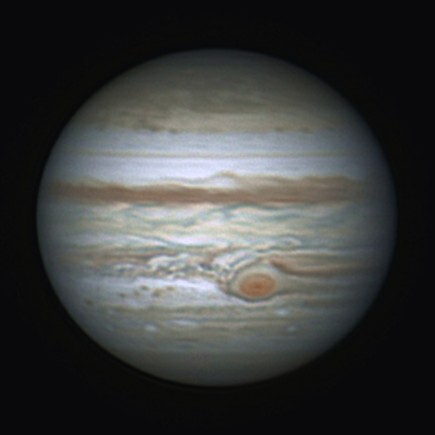
A guide to our Universe
Our comprehensive suite of professional services caters to a diverse clientele, ranging from homeowners to commercial developers.
1. Stars & Stellar Objects
- Stars (e.g., Polaris)
- Stellar remnants:
- White dwarfs
- Neutron stars
- Black holes → black hole
- Binary & multiple star systems
👉 Objects powered by nuclear fusion or its remnants
2. Planetary Systems
- Planets (terrestrial, gas giants)
- Dwarf planets (e.g., Pluto)
- Moons (natural satellites)
- Asteroids
- Comets
👉 Objects orbiting stars
3. ️ Small Solar System Bodies
- Meteoroids / meteors / meteorites
- Kuiper Belt objects
- Oort Cloud objects
👉 Leftover building blocks of planets
4. Interstellar Matter (Gas & Dust)
This includes what you asked about earlier:
- interstellar medium (ISM)
- Nebulae:
- dark nebula
- Emission nebulae
- Reflection nebulae
- Planetary nebulae
- molecular cloud
👉 The “raw material” for star formation
5. Star Clusters
- Open clusters (young, loose)
- Globular clusters (old, dense)
👉 Groups of stars bound by gravity
6. Galaxies
- Spiral galaxies (e.g., Milky Way)
- Elliptical galaxies
- Irregular galaxies
👉 Massive systems of stars, gas, dust, and dark matter
7. ️ Large-Scale Cosmic Structures
- Galaxy groups
- Galaxy clusters
- Superclusters
- Cosmic web (filaments & voids)
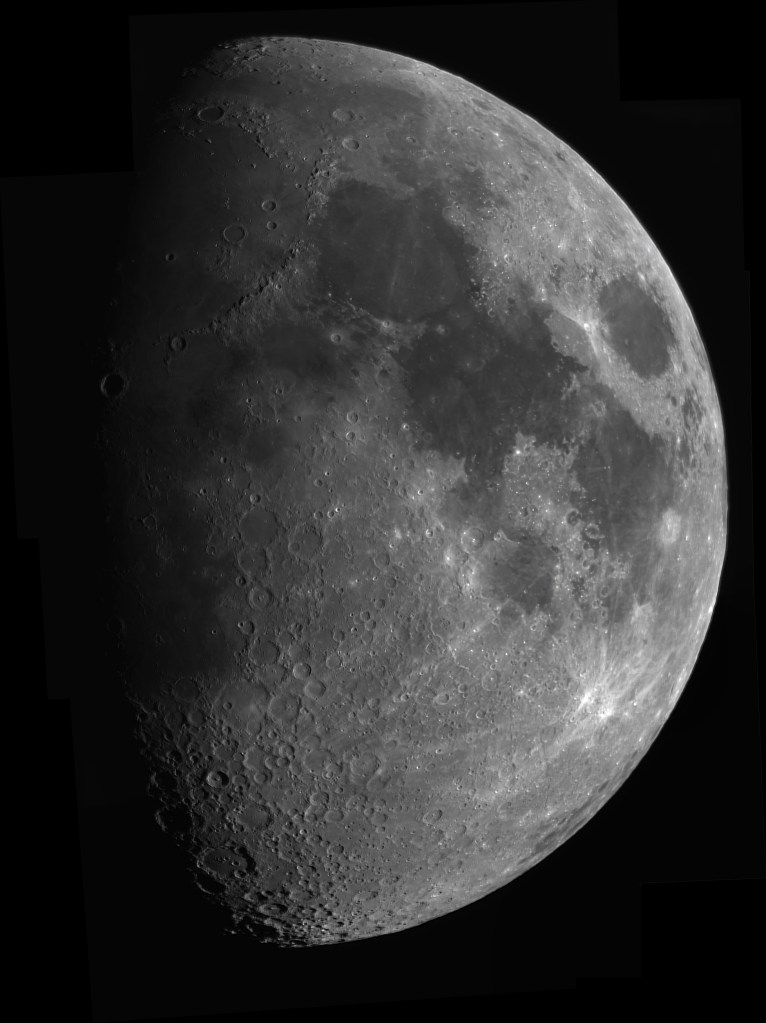
A guide to our Moon
- The Seas of the moon
- The craters
- Valleys
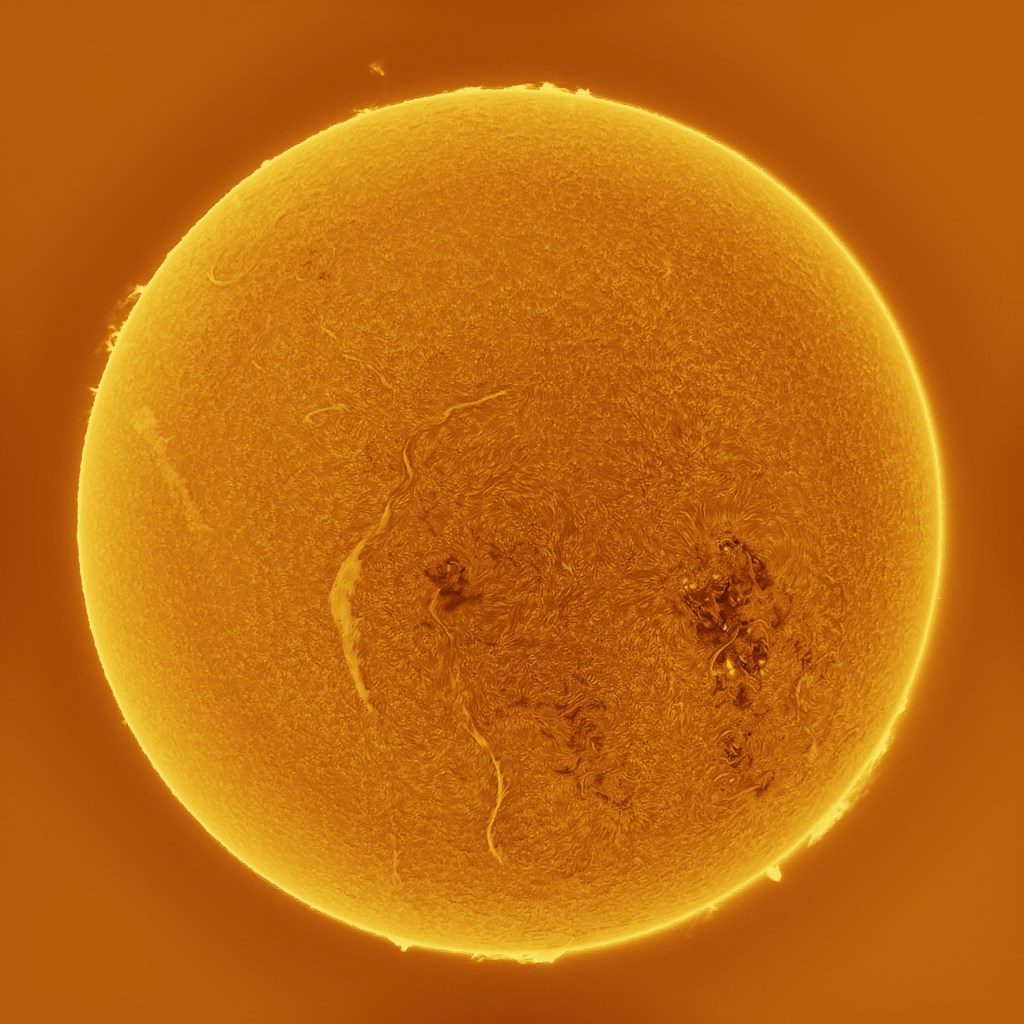
Our homestar
- The Sun
- Solar Eclipses
- Observing the Sun
- Sun in Hydrogen Alpha
A Guide to observe the planets
- Mercury
- Venus
- Mars
- Jupiter
- Saturn
- Uranus
- Neptune

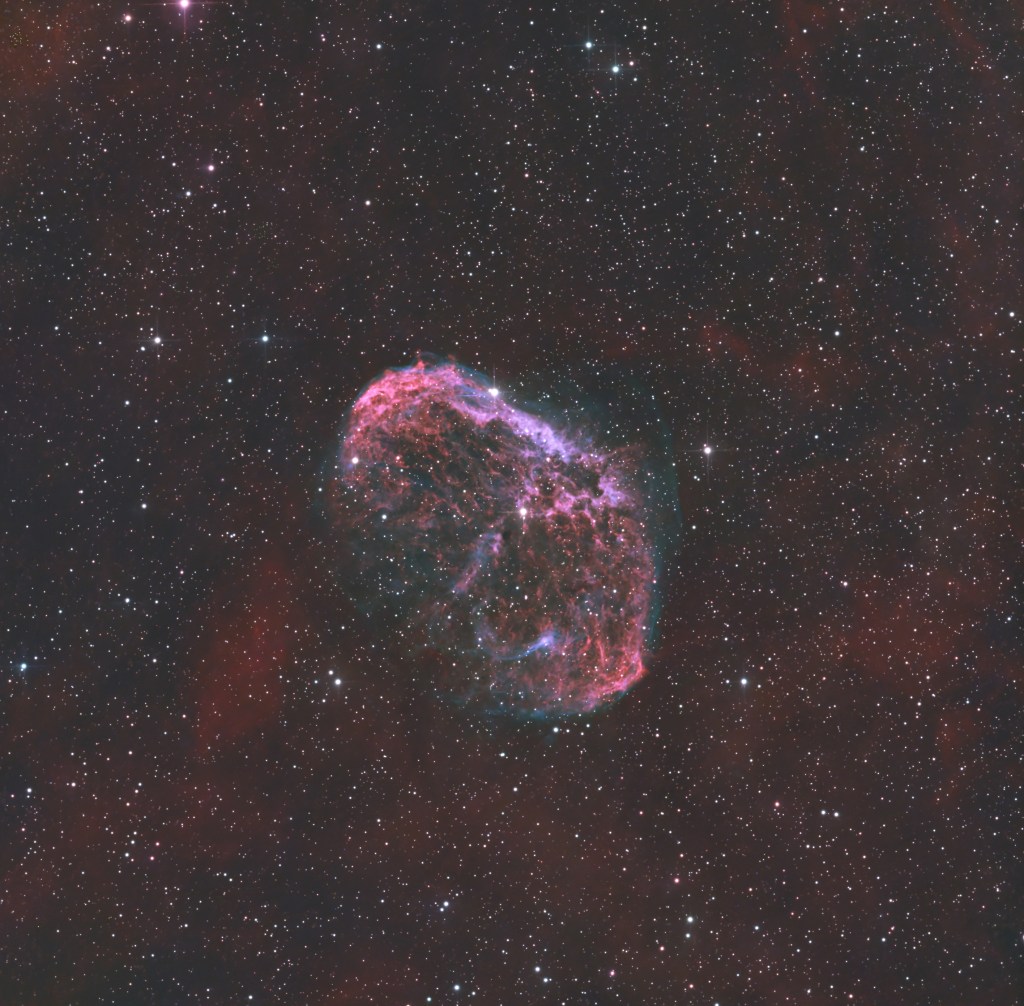
Our comprehensive guide to our galaxy and what it is made of
- Globular Clusters
- Open Clusters
- Nebulae
- Double stars
A guide to the galaxies
A Guide to the galaxies
- Galaxies, Cosmic Islands
- classification of galaxies
- Super Novae
- Galaxy Clusters and beyond
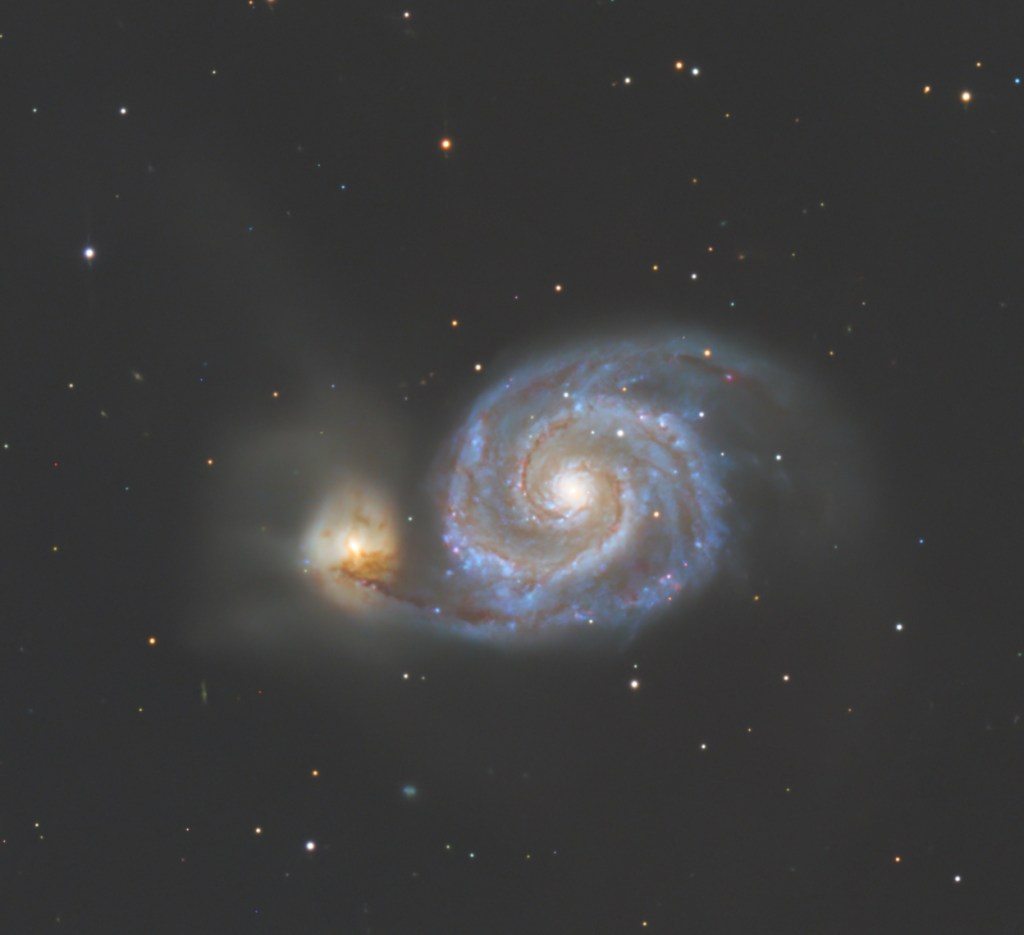
“You have got to know your Universe or What is bigger than that to know!.”

Watch, Read, Listen
Join 900+ subscribers
Stay in the loop with everything you need to know.
 Imaging Heavens